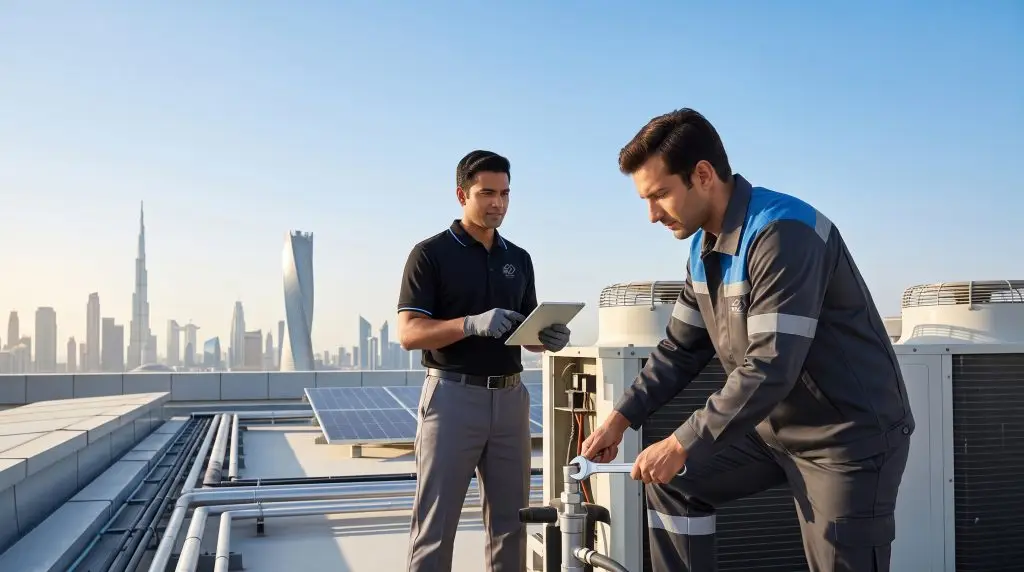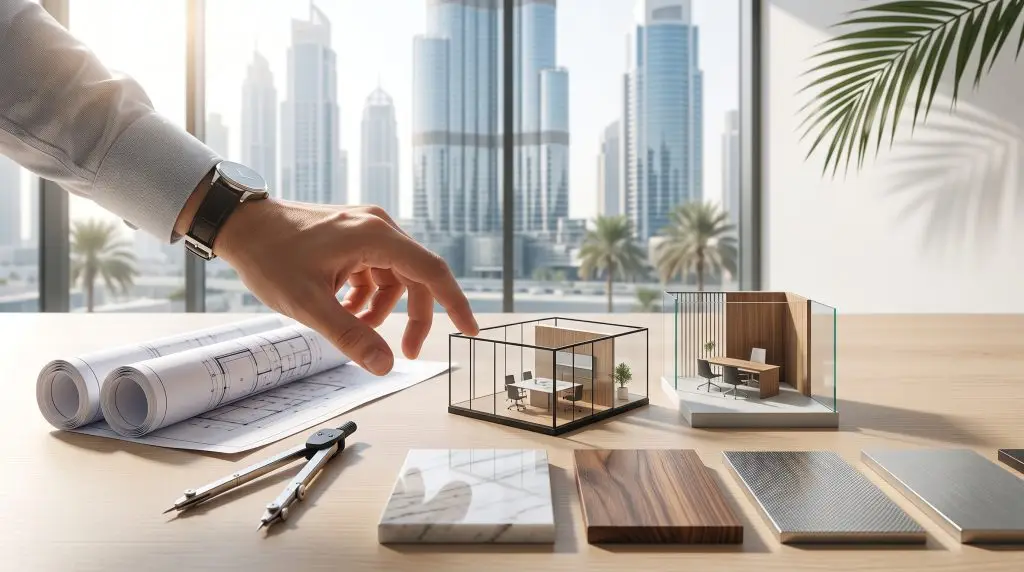
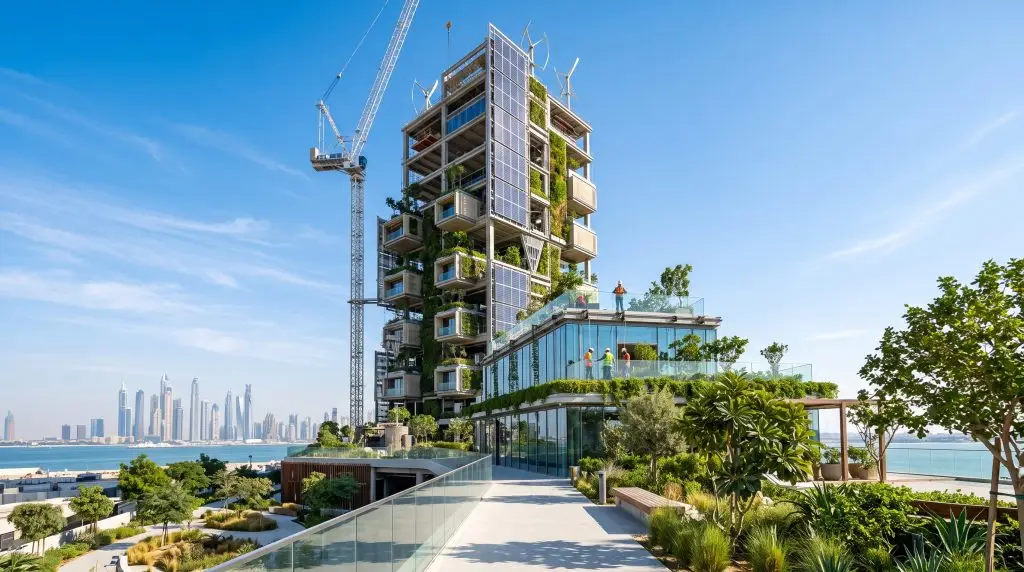
The construction company in UAE sector is entering a new era in 2026, driven by sustainability initiatives, advanced BIM workflows, modular construction techniques, AI-powered project management, and the growing demand for smart, energy-efficient buildings. These trends are reshaping residential, commercial, industrial, and infrastructure development across the Emirates.
Introduction
The UAE construction sector continues to evolve rapidly, driven by government-led infrastructure expansion, population growth, and increasing demand for smart and sustainable urban development. In 2026, the industry is not just about building faster—it is about building smarter, greener, and more cost-efficient structures.
For any construction company in UAE, staying aligned with emerging trends is no longer optional; it is essential for survival and competitiveness. From digital transformation to modular construction methods and stricter sustainability requirements, the entire project lifecycle is being redefined.
This article explores the most important construction trends shaping the UAE in 2026 and how they impact developers, contractors, and property investors
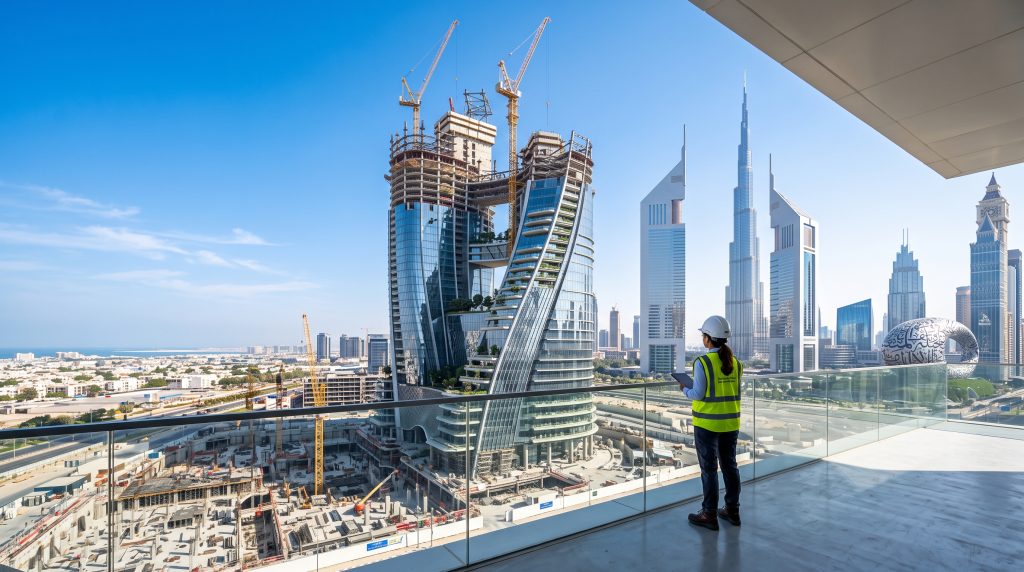
1. Rapid Growth of Sustainable and Green Construction
Sustainability has moved from b
eing a design preference to a regulatory and commercial necessity in the UAE.
Key drivers:
- UAE Net Zero 2050 strategy
- Estidama Pearl Rating System (Abu Dhabi)
- Dubai Green Building Regulations
What this means in practice:
Construction companies are now required to:
- Use low-carbon materials such as recycled steel and green concrete
- Integrate solar-ready building designs
- Improve insulation to reduce cooling loads
- Implement water-saving systems
Sustainable construction is no longer just environmentally responsible—it also reduces long-term operational costs for building owners, which makes it a major selling point in commercial and residential projects.
2. Rise of Modular and Prefabricated Construction
Modular construction is gaining strong momentum in the UAE due to its efficiency and cost control benefits.
Why it is growing:
- Faster project delivery timelines
- Reduced on-site labor dependency
- Better quality control in factory environments
- Lower material waste
Instead of constructing everything on-site, major building components are manufactured off-site and assembled later.
UAE adoption areas:
- Labor accommodation facilities
- Temporary commercial structures
- Residential developments
- Industrial warehouses
This approach is especially useful in large-scale developments where speed and scalability are critical.
3. Digital Transformation Through BIM and Smart Construction
Building Information Modeling (BIM) has become a core requirement in modern UAE construction projects.
What BIM enables:
- 3D visualization of projects before construction
- Clash detection between structural and MEP systems
- Accurate cost estimation
- Improved collaboration between stakeholders
Additional digital tools being adopted:
- AI-based project scheduling systems
- Drone-based site surveys
- Cloud-based project management platforms
- IoT-enabled smart site monitoring
These technologies significantly reduce delays, cost overruns, and rework—three of the biggest challenges in construction projects.
4. Increased Demand for Smart Buildings
Smart buildings are becoming standard in new UAE developments, especially in commercial and luxury residential projects.
Smart features include:
- Automated lighting and HVAC systems
- Smart energy monitoring
- AI-based security systems
- Remote building management apps
The demand is driven by:
- Corporate sustainability goals
- Energy efficiency requirements
- Tenant expectations in commercial spaces
For any construction company in UAE, integrating smart systems during the design phase is now a competitive advantage.
5. Strong Focus on Cost Optimization and Value Engineering
With fluctuating material prices and competitive project bidding, cost optimization has become a major focus area.
Value engineering practices include:
- Substituting materials without compromising quality
- Redesigning structural elements for efficiency
- Reducing unnecessary architectural complexity
- Optimizing MEP systems for lower lifecycle costs
Clients in the UAE are increasingly demanding transparent cost breakdowns and lifecycle cost analysis, not just initial construction estimates.
6. Workforce Challenges and Skilled Labor Demand
The construction industry in the UAE continues to rely heavily on skilled manpower, but the nature of workforce management is changing.
Key trends:
- Increased demand for multi-skilled workers
- Greater reliance on manpower supply companies
- Stronger compliance with labor welfare standards
- Focus on productivity-based workforce management
Companies that fail to secure reliable manpower face project delays and quality issues.
This is why integrated providers offering both construction and manpower solutions are gaining preference.
7. Integration of Facility Management in Construction Planning
A major shift in 2026 is the integration of facility management considerations during the construction phase itself.
Why it matters:
- Reduces long-term maintenance costs
- Improves building lifecycle performance
- Ensures easier asset management post-handover
Examples:
- Designing HVAC systems for easier maintenance access
- Using durable finishes in high-traffic areas
- Planning MEP systems for efficient servicing
This trend is bridging the gap between construction and long-term operational efficiency.
Common Mistakes in Modern UAE Construction Projects
- Ignoring sustainability compliance early in design
- Underestimating MEP complexity
- Poor contractor selection based only on price
- Lack of digital project tracking tools
- Inadequate workforce planning
Avoiding these mistakes significantly improves project success rates.
Expert Insight (HPS Perspective)
A successful construction project in the UAE today depends on three pillars:
- Technology adoption (BIM + digital tools)
- Skilled workforce planning
- Integrated project execution (design, build, and maintenance awareness)
Companies that combine these effectively consistently deliver faster, more cost-efficient, and higher-quality projects.
FAQ
Frequently
asked Questions
What is the biggest construction trend in the UAE in 2026?
Sustainable construction and smart building integration are the most dominant trends.
Is modular construction widely used in the UAE?
Yes, especially in large-scale housing, industrial, and temporary infrastructure projects.
Why is BIM important in UAE construction projects?
It improves accuracy, reduces errors, and enhances collaboration across project teams.
Are construction costs increasing in the UAE?
Costs fluctuate due to materials and labor, but value engineering helps control budgets.
What should I look for in a construction company in UAE?
Experience, regulatory compliance, technical capability, and integrated service offerings.
Sustainable construction and smart building integration are the most dominant trends.
Yes, especially in large-scale housing, industrial, and temporary infrastructure projects.
It improves accuracy, reduces errors, and enhances collaboration across project teams.
Costs fluctuate due to materials and labor, but value engineering helps control budgets.
Experience, regulatory compliance, technical capability, and integrated service offerings.
Looking for a reliable construction company in UAE ?
Contact HPS UAE for expert consultation, project planning, and construction solutions tailored to your needs.